


-
Sleep Reset Evening Wind‑Down Ritual Kit – TCM‑Inspired He Xiang Incense & Wearable Bracelet (3‑Piece Set)
Regular price $168.00 USDRegular price -
Focus Ritual Kit – TCM‑Inspired Deep Work Incense & Grounding Bracelet (3‑Piece Set)
Regular price $168.00 USDRegular price -
Space Clearing Ritual Kit – TCM‑Inspired Herbal Incense & Wearable Bracelet for New Chapters (3‑Piece Set)
Regular price $168.00 USDRegular price

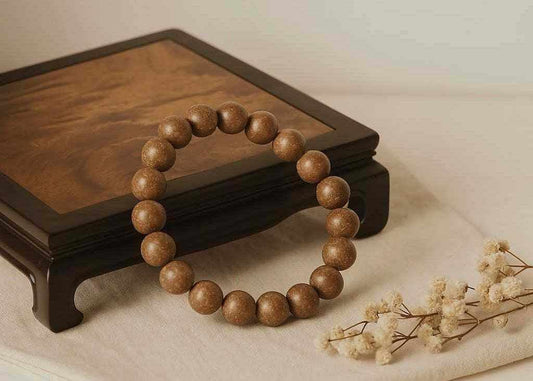


-
Calm‑Spirit He Xiang Incense Beads | Evening Wind‑Down Ritual
Regular price $158.00 USDRegular price -
Daily Calm He Xiang Incense Powder | Everyday Wind‑Down Series
Regular price From $59.00 USDRegular price -
Daily Calm He Xiang Incense Sticks | Everyday Stress Ritual
Regular price $39.00 USDRegular price -
Deep Work Focus He Xiang Incense Powder | Scholar Blend
Regular price $59.00 USDRegular price -
Deep Work Focus He Xiang Incense Sticks | Scholar Desk Ritual
Regular price $39.00 USDRegular price -
Focus He Xiang Incense Beads | Wearable Deep Work Ritual
Regular price $158.00 USDRegular price$148.00 USDSale price $158.00 USD -
Focus Ritual Kit – TCM‑Inspired Deep Work Incense & Grounding Bracelet (3‑Piece Set)
Regular price $168.00 USDRegular price -
Seven Essences He Xiang Incense Beads | Classical TCM Blend
Regular price $158.00 USDRegular price -
Sleep Reset Evening Wind‑Down Ritual Kit – TCM‑Inspired He Xiang Incense & Wearable Bracelet (3‑Piece Set)
Regular price $168.00 USDRegular price -
Sleep Reset He Xiang Incense Powder | DIY Bedtime Formula
Regular price $59.00 USDRegular price -
Sleep Reset He Xiang Incense Sticks | 90-Mins Wind-Down Formula
Regular price $39.00 USDRegular price -
Space Clearing He Xiang Incense Powder | Home Cleanse Formula
Regular price From $59.00 USDRegular price -
Space Clearing He Xiang Incense Sticks | Home Reset Formula
Regular price $39.00 USDRegular price -
Space Clearing Ritual Kit – TCM‑Inspired Herbal Incense & Wearable Bracelet for New Chapters (3‑Piece Set)
Regular price $168.00 USDRegular price -
Vital Essence He Xiang Incense Beads | Daily Grounding Ritual
Regular price $158.00 USDRegular price$148.00 USDSale price $158.00 USD -
Wealth & Luck He Xiang Incense Beads | Intention-Setting Ritual
Regular price $158.00 USDRegular price -
Wealth & Luck He Xiang Incense Powder | Intention‑Setting Ritual
Regular price $59.00 USDRegular price -
Wealth & Luck He Xiang Incense Sticks | New Chapter Ritual
Regular price $39.00 USDRegular price
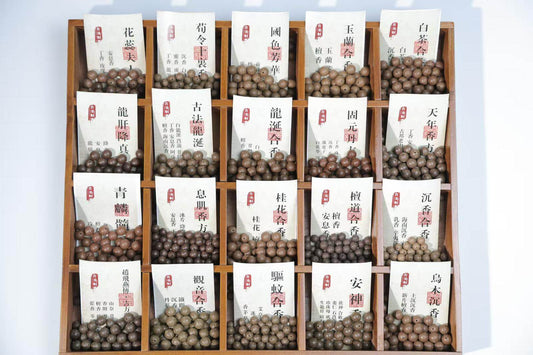

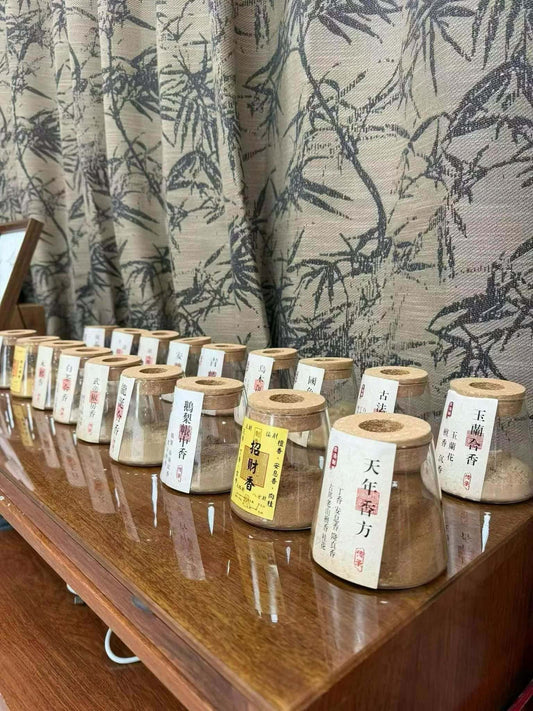

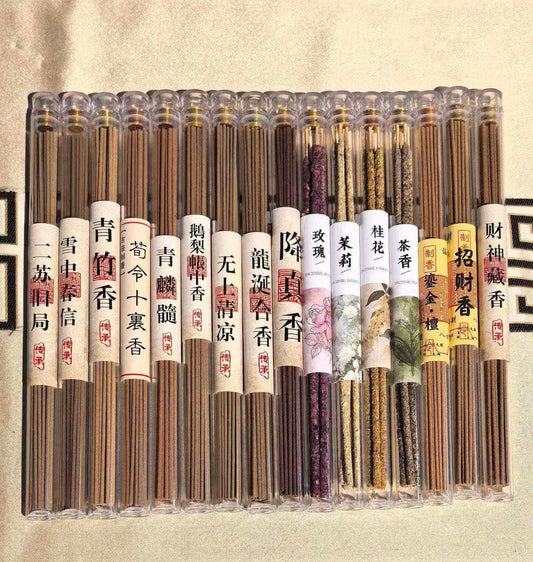

From early Chinese incense rituals to everyday aromatic companions
The birth of He Xiang — early compound incense beads
Incense as a literati ritual — the Song golden age
Yongchun, Fujian — a living incense craft heritage
Gentle Resilience Studio — TCM‑inspired He Xiang for modern
-

What Is He Xiang? Complete Guide to Chinese Her...
He Xiang (合香) is classical Chinese compound incense — a multi-herb formula tradition from the Song Dynasty, distinct from Japanese Kōdō, Indian Dhoop, and Western aromatherapy. This complete guide explains...
What Is He Xiang? Complete Guide to Chinese Her...
He Xiang (合香) is classical Chinese compound incense — a multi-herb formula tradition from the Song Dynasty, distinct from Japanese Kōdō, Indian Dhoop, and Western aromatherapy. This complete guide explains...
-

What Makes Yongchun He Xiang Different from Mas...
Yongchun county is the world's largest incense production base. But He Xiang is a different category entirely — compound craft, heritage-designated, non-medical. This article explains the difference, the supply chain,...
What Makes Yongchun He Xiang Different from Mas...
Yongchun county is the world's largest incense production base. But He Xiang is a different category entirely — compound craft, heritage-designated, non-medical. This article explains the difference, the supply chain,...
-

He Xiang Beads vs Incense Sticks: Which Format ...
He Xiang beads and incense sticks serve different ritual needs. This guide helps you choose the right format based on smoke level, space, and how you actually plan to use...
He Xiang Beads vs Incense Sticks: Which Format ...
He Xiang beads and incense sticks serve different ritual needs. This guide helps you choose the right format based on smoke level, space, and how you actually plan to use...
-

TCM-Inspired Incense vs Western Aromatherapy: H...
Curious about the difference between TCM-inspired Chinese herbal incense and Western aromatherapy? This non-medical guide compares ingredients, philosophy, formats, safety, and modern ritual use so you can choose what fits...
TCM-Inspired Incense vs Western Aromatherapy: H...
Curious about the difference between TCM-inspired Chinese herbal incense and Western aromatherapy? This non-medical guide compares ingredients, philosophy, formats, safety, and modern ritual use so you can choose what fits...


